Understanding Kopasz Kutya: Unique Traits of Hairless Dogs
In the diverse world of canines, some breeds stand out not for their luxurious coats, but for their striking lack thereof. These remarkable animals, often referred to as "Kopasz Kutya" or hairless dogs, possess an undeniable charm and a host of unique characteristics that set them apart. While the Chinese Crested might be the most globally recognized, the family of hairless breeds is surprisingly rich, featuring ancient lineages and modern marvels alike. These aren't just novelty pets; they are loyal, affectionate, and often playful companions with distinct needs and captivating personalities. Delve into the fascinating realm of hairless dogs to uncover what makes them so special and why they might just be the perfect addition to your home.
The Allure of the Hairless Dog: More Than Just Skin Deep
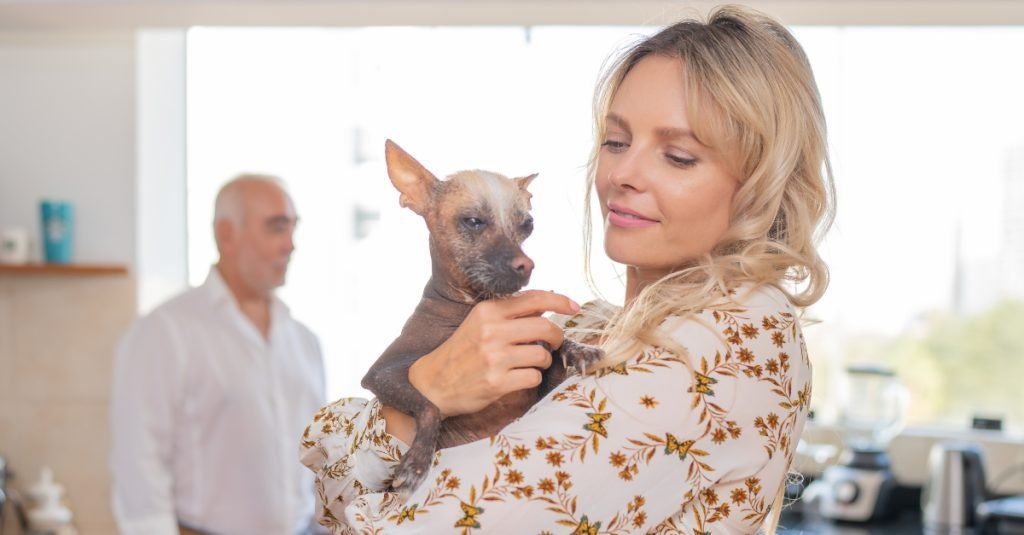
The most immediate and obvious trait of a Kopasz Kutya is, of course, its hairless skin. This unique genetic mutation, which often also affects dental formation, is responsible for their distinctive appearance. Far from being "naked," their skin comes in a stunning array of colors and patterns, from solid dark tones like black, slate, or bronze to spotted varieties that resemble works of art. This sleek, often warm-to-the-touch skin offers a unique tactile experience for owners and often feels surprisingly soft.
Beyond aesthetics, the lack of a coat brings several practical benefits. Many individuals with allergies find hairless dogs to be a much more compatible companion, as the absence of shedding hair and dander significantly reduces potential triggers. While no dog is truly 100% hypoallergenic, hairless breeds come closer than most. This also means a considerable reduction in typical dog odors and, delightfully for many owners, a natural resistance to fleas and other external parasites that thrive in dense fur. Imagine a life with fewer pet hair tumbleweeds and no frantic flea treatments – for many, this is a significant advantage. However, this exposed skin also necessitates specific care, which we'll explore further.
Exploring Diverse Hairless Breeds: A Canine Kaleidoscope
While fewer in number than their coated counterparts, several officially recognized hairless breeds boast distinct histories, temperaments, and appearances. Each offers a unique window into the world of the Kopasz Kutya.
The Affectionate Chinese Crested
Perhaps the most well-known of the hairless breeds, the Chinese Crested is an elegant and often whimsical-looking dog. While predominantly hairless, they typically sport "crests" of hair on their heads, "socks" on their paws, and plumes on their tails. Known for being friendly, playful, and incredibly affectionate, they often form deep bonds with their families and are particularly good with children. Their compact size makes them ideal for apartment living, though their sensitive nature means they thrive on companionship and abhor being left alone for extended periods. In colder climates, their lack of fur necessitates protection, making indoor life and warm sweaters a must during winter months.
The Energetic American Hairless Terrier
A relatively new breed, developed in the 1970s from a mutation in a Rat Terrier litter, the American Hairless Terrier embodies the vibrant spirit of its terrier lineage. These dogs are intelligent, active, and highly trainable, making them excellent candidates for various dog sports and family activities. Their playful and inquisitive nature makes them ideal family pets, and they adapt well to different environments. Unlike some other hairless breeds, they are generally quite robust and tolerate warm weather exceptionally well. Their skin comes in a delightful range of colors, often mottled or spotted, with black spots on a pink background being a popular combination.
The Ancient Xoloitzcuintli (Xolo)
With a name as captivating as its history, the Xoloitzcuintli, often simply called the Xolo, is an ancient breed dating back some 3,000 years to the Aztec Empire. Revered by ancient civilizations, these loyal and adorable dogs were believed to possess healing powers and guide souls to the afterlife. Xolos come in three sizes – toy, miniature, and standard – with even the toy variety capable of being excellent house guardians despite their petite stature (some as small as 25-30 cm at the shoulder). They are known for their profound loyalty and form deep connections with their human families. Their skin is typically dark, ranging from black to slate, bronze, and various shades of grey and brown, providing a striking, almost sculptural appearance.
The Agile Peruvian Inca Orchid
Hailing from Peru, the Peruvian Inca Orchid is another ancient South American breed with a rich, mysterious past. Legends suggest these dogs were kept as bed warmers by the Incas and even used in sacrificial rituals. Today, they are cherished companions, known for their strong bond with their owners. These are agile, energetic, and highly sensitive dogs that require significant amounts of exercise and mental stimulation to remain happy and healthy. Their active nature means they thrive in homes where they can participate in daily adventures and receive consistent training. Peruvian Inca Orchids come in a wide range of sizes, from 25 cm up to 71 cm at the shoulder, making them one of the most variable hairless breeds in terms of stature. Their skin is generally dark, and they often sport upright, attentive ears. This breed, unfortunately, remains one of the rarest dog breeds worldwide today. To learn more about these fascinating and uncommon canine companions, explore our guide on
Discover Rare Hairless Dog Breeds: Beyond the Chinese Crested.
Essential Care Tips for Your Kopasz Kutya
Owning a hairless dog comes with specific responsibilities, primarily centered around skin care and temperature regulation.
*
Skin Protection: Just like human skin, a Kopasz Kutya's exposed skin is susceptible to sunburn. Always apply pet-safe sunscreen when they are exposed to the sun, especially during peak hours. Regular moisturizing with a vet-approved lotion can prevent dryness and keep their skin supple.
*
Bathing: While they don't have fur to get dirty, their skin can accumulate oils and dirt, leading to clogged pores or breakouts. Regular baths (typically weekly) with a gentle, moisturizing dog shampoo are essential to keep their skin healthy.
*
Temperature Regulation: Without a protective coat, hairless dogs are more vulnerable to both cold and heat. In winter, sweaters, coats, and indoor living are non-negotiable. In summer, ensure they have access to shade and stay hydrated to prevent overheating. Their skin can feel warm to the touch, but this doesn't mean they are immune to the cold.
*
Dental Health: The genetic mutation responsible for hairlessness often affects dental development, leading to missing or malformed teeth. Regular dental check-ups and good oral hygiene are crucial to prevent dental issues.
*
Exercise & Mental Stimulation: Despite their unique appearance, these are still dogs with specific breed needs. Ensure they get adequate exercise tailored to their energy levels and plenty of mental enrichment to prevent boredom.
*
Nutrition: A high-quality diet appropriate for their size and activity level is vital for maintaining healthy skin and overall well-being.
Are Hairless Dogs Right for You? Addressing Common Misconceptions
Many misconceptions surround hairless dogs. While they are indeed unique, their needs are manageable for dedicated owners.
One common myth is that they are entirely hypoallergenic. While they are significantly better for allergy sufferers than many coated breeds due to less dander and shedding, no dog is 100% hypoallergenic. Individual reactions can vary. If allergies are a primary concern, spending time with a specific hairless breed before adoption is always recommended. For a deeper dive into this topic, read our article:
Hairless Dogs: Perfect Pets for Allergy Sufferers?
Another misconception is that their strange appearance means a strange personality. On the contrary, hairless dogs are known for being loyal, affectionate, and often playful companions. Their temperaments, much like coated breeds, vary by breed and individual, but generally, they are eager to please and form strong bonds with their families.
Finally, while they require specific skin and temperature care, this doesn't necessarily make them more difficult than other breeds with extensive grooming needs. It simply means a different type of commitment. Their rarity might also mean a higher initial cost and a longer search for a reputable breeder, but the rewards of owning such a special dog are immeasurable.
Conclusion
The Kopasz Kutya, or hairless dog, offers a compelling blend of exotic beauty, ancient history, and loving companionship. From the spirited American Hairless Terrier to the enigmatic Xoloitzcuintli and the elegant Chinese Crested, these breeds prove that beauty truly comes in many forms. While their unique skin demands attentive care, the joy, loyalty, and reduced allergen impact they bring to a home make them truly cherished family members. Embracing a hairless dog means welcoming a pet with a distinctive charm and a heart full of devotion, ready to bring warmth and playfulness into your life, no fur required.