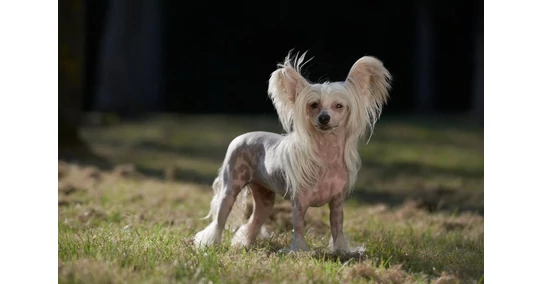
Hairless Dogs: Perfect Pets for Allergy Sufferers?
For many animal lovers, the joy of sharing a home with a canine companion is unfortunately overshadowed by the sniffles, sneezes, and itchy eyes that come with pet allergies. The quest for a "hypoallergenic" dog often leads to a specific, unique group of breeds: hairless dogs, or as they are known in Hungarian, Kopasz Kutya. These distinct canines, with their smooth, often wrinkled skin and striking appearance, have long been touted as the ideal solution for allergy sufferers. But is this claim entirely true? Let's delve into the fascinating world of hairless dogs to uncover their unique traits, care requirements, and suitability for those with sensitivities.
Beyond the "Bizarre": The Unique Allure of Kopasz Kutya
Hairless dogs often evoke strong reactions. Some find their appearance unusual, even "bizarre," while others are immediately captivated by their exotic charm and undeniable cuteness. Whatever the initial impression, one thing is certain: Kopasz Kutya breeds are truly one-of-a-kind. They stand out from their furry counterparts, possessing an elegance and mystique often rooted in ancient histories.
While the Chinese Crested might be the most globally recognized hairless breed, the world of Kopasz Kutya extends far beyond. These breeds are typically rarer than their coated relatives, making them even more special. What they lack in fur, they make up for in personality, forming deep, affectionate bonds with their human families. Their unique aesthetic often comes with an equally unique set of characteristics, from loyalty and playfulness to surprising athleticism and protective instincts. They are, at their core, just as loving and deserving of a home as any other dog, often proving to be incredibly devoted and engaging companions.
Are Hairless Dogs Truly Hypoallergenic? Unpacking the Allergy Myth
The primary reason most allergy sufferers consider a Kopasz Kutya is the belief that their lack of fur translates directly to a lack of allergens. However, it's crucial to understand a key fact: no dog is 100% hypoallergenic. The allergens that trigger reactions in sensitive individuals are not just hair, but primarily dander (microscopic flakes of dead skin), saliva, and urine proteins. These allergens can exist on any dog, regardless of coat type.
So, why are hairless dogs often recommended for people with allergies? The answer lies in the reduction of allergen load. While they still produce dander and saliva, hairless breeds tend to shed less dander into the environment because there's no hair to trap it and release it. Additionally, without a dense coat, there are fewer places for pollen, dust, and other environmental allergens to cling to, which can also contribute to allergic reactions. The regular bathing and skin care required for hairless dogs also helps to wash away allergens, further reducing their presence in the home.
Another often overlooked benefit is their natural resistance to external parasites. As the references note, fleas, for instance, find it very difficult to infest a hairless dog's skin, reducing one common source of irritation for both dog and owner. For serious allergy sufferers, a Kopasz Kutya can significantly reduce exposure to common canine allergens, making it possible for them to live comfortably with a pet. However, individual sensitivities vary greatly. It is always recommended to spend time with a specific dog you are considering adopting to see how your allergies react before making a long-term commitment. Consulting with an allergist for personalized advice is also a wise step.
A Gallery of Skin-Sational Companions: Popular Kopasz Kutya Breeds
While the term Kopasz Kutya broadly refers to all hairless dogs, there are several distinct breeds, each with its own history, temperament, and charm. Beyond the well-known Chinese Crested, a fascinating array of skin-sational companions awaits discovery. For a deeper dive into the world of diverse hairless breeds, you might want to Discover Rare Hairless Dog Breeds: Beyond the Chinese Crested.
The Chinese Crested Dog
Perhaps the most familiar of the hairless breeds, the Chinese Crested comes in two varieties: hairless (with tufts of hair on the head, paws, and tail) and powderpuff (fully coated). The hairless variety is known for being incredibly affectionate, playful, and great with children, as exemplified by the 11-month-old male described in one of our references – a friendly, child-loving, and playful boy. They are truly companion dogs, thriving on human interaction and often displaying an entertaining, almost mischievous personality. However, their minimal fur means they are sensitive to cold, requiring indoor living during winter months and often needing protective clothing.
The American Hairless Terrier
A relatively new breed, developed in the 1970s, the American Hairless Terrier embodies the classic terrier spirit without the coat. These dogs are active, intelligent, and highly trainable, making them excellent family pets. They are known for their playful nature and robust health. Unlike some hairless breeds, American Hairless Terriers generally tolerate warmer climates well, though protection from direct sun is still essential. Their skin comes in various striking color combinations, with black spotted being a particularly popular choice.
The Xoloitzcuintli (Mexican Hairless Dog)
Often affectionately called "Xolo," this ancient breed boasts a history stretching back over 3,000 years, with roots in the Aztec Empire. Revered by ancient civilizations, the Xoloitzcuintli is a loyal and devoted companion. Despite their often diminutive "toy" size (some can be as small as 25-30 cm at the shoulder), they possess a surprisingly strong guarding instinct, making them excellent watchdogs. Their skin typically comes in dark shades of black, brown, gray, or bronze, and they exude an air of quiet dignity and deep affection for their families.
The Peruvian Inca Orchid
True to its unique name, the Peruvian Inca Orchid is a captivating breed originating from Peru. These dogs were traditionally kept as cherished companions, forming incredibly strong bonds with their owners. They are highly agile, energetic, and intelligent, requiring significant mental and physical stimulation to remain happy and healthy. Regular walks and consistent exercise are vital for this sensitive yet lively breed. Historically, they were valued for their warmth, even serving as "bed warmers" for the Incas, and were sometimes used in ancient rituals, highlighting their deep cultural significance. Like the Xolo, they are considered one of the world's rarer breeds, characterized by their erect ears and generally dark skin, with a size range similar to poodles, from small to large.
The Unique Care Requirements of a Kopasz Kutya
Owning a Kopasz Kutya comes with a distinct set of care considerations that differ significantly from those for coated breeds. Their exposed skin, while a boon for allergy sufferers, requires careful attention to ensure their health and comfort. To understand these unique requirements in more detail, read more about Understanding Kopasz Kutya: Unique Traits of Hairless Dogs.
Skin Care is Paramount
- Sun Protection: Just like human skin, a hairless dog's skin is susceptible to sunburn. Sunscreen formulated for dogs (or baby sunscreen free of zinc oxide) is essential for outdoor activities, especially during peak sun hours. Protective clothing, such as lightweight shirts or vests, can also offer a layer of defense.
- Moisturizing: Their skin can become dry, flaky, or cracked without proper hydration. Regular moisturizing with a dog-friendly lotion or natural oils (like coconut oil) can keep their skin supple and healthy.
- Bathing: While they don't have fur to clean, regular bathing is still necessary. It helps remove dirt, excess oils, and accumulated dander, which, as mentioned, is key for allergy management. Mild, hypoallergenic dog shampoos are recommended to avoid skin irritation.
- Acne and Blackheads: Some hairless breeds can be prone to developing acne or blackheads due to clogged pores. Gentle exfoliation or veterinary-prescribed skin treatments might be necessary.
Temperature Regulation
- Cold Weather: With no protective coat, hairless dogs are highly sensitive to cold temperatures. They require warm indoor environments, especially during winter. Sweaters, jackets, and even booties are not just fashion statements but essential attire for walks in chilly weather.
- Hot Weather: While some, like the American Hairless Terrier, are bred for warmer climates, all hairless breeds can still overheat or suffer from severe sunburn. Providing ample shade, fresh water, and avoiding strenuous exercise during the hottest parts of the day is crucial.
Dental Health
It's important to note that many hairless breeds carry a genetic mutation linked to both hairlessness and certain dental anomalies. This can manifest as missing teeth (anodontia or hypodontia) or malformed teeth. Regular veterinary dental check-ups and good oral hygiene practices at home are therefore particularly important for Kopasz Kutya breeds.
Exercise and Mental Stimulation
Despite their unique appearance, hairless dogs are still dogs! Many are active, intelligent, and eager to please. Breeds like the Peruvian Inca Orchid and American Hairless Terrier thrive on regular exercise, playtime, and mental challenges. Providing consistent training and opportunities for socialization will ensure they grow into well-adjusted and happy companions.
Conclusion
Hairless dogs, or Kopasz Kutya, offer a truly unique and often rewarding pet ownership experience. For allergy sufferers, they present a viable, though not guaranteed, path to canine companionship, significantly reducing exposure to common allergens. Their distinct beauty, loyal temperaments, and often ancient histories make them fascinating pets.
However, prospective owners must be prepared for their specific care needs, particularly regarding skin health and temperature regulation. These dogs are not simply "fur-free" but require dedicated attention to their exposed skin. By understanding their unique traits and committing to their specialized care, you can welcome a wonderful, affectionate, and truly skin-sational companion into your home.